
Are Simple Greens Powders Actually Worth Your Money?
Simple greens supplements are everywhere right now — but with dozens of brands making big health claims, it’s hard to know which ones deliver real value.
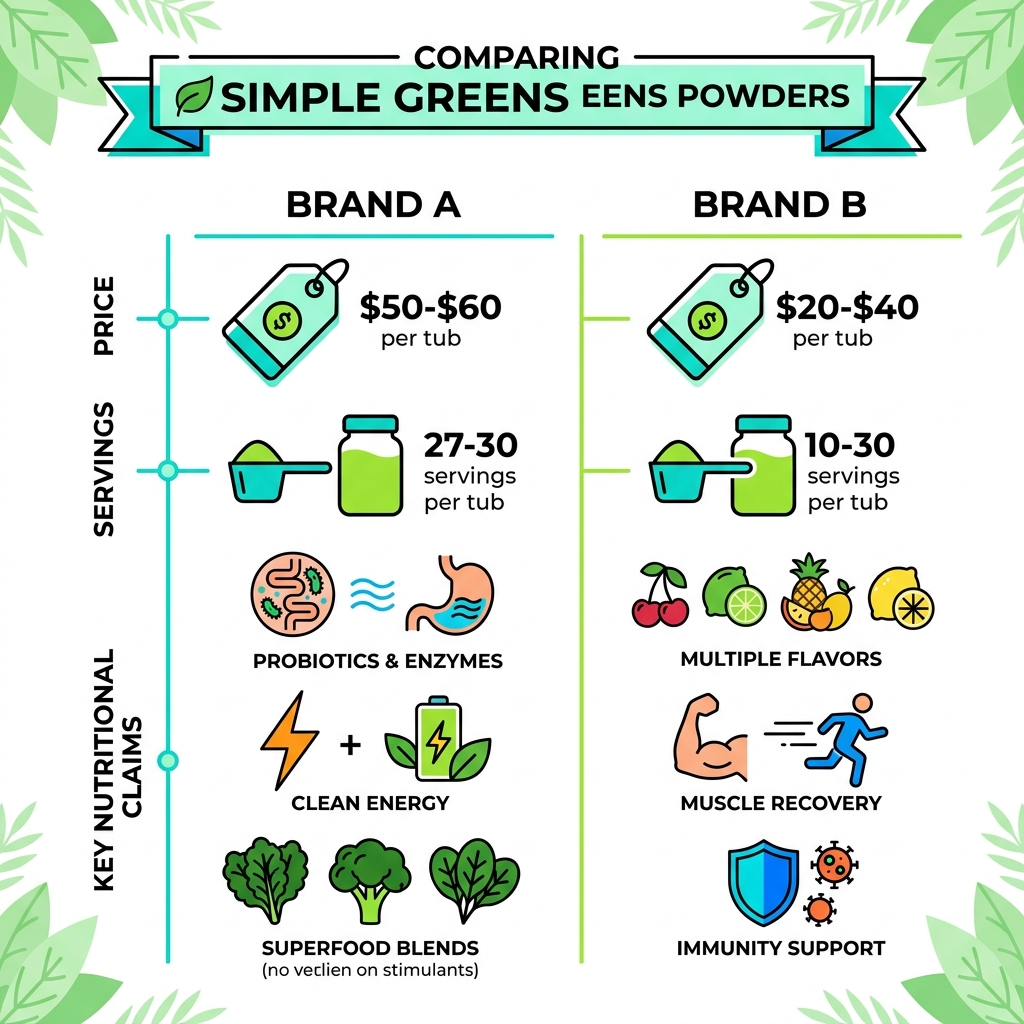
Here’s a quick comparison of the top simple greens powder brands to help you decide fast:
| Brand | Price | Servings | Key Features |
|---|---|---|---|
| Simple Greens | $55.00 | 27-30 per tub | No stimulants, probiotics, enzymes, superfood blends |
| Clean Simple Eats Greens | $19.99-$39.99 | 10 or 30 per tub | Multiple flavors (Cherry Limeade, Tropical, Raspberry Lemonade) |
Greens powders promise a lot: more energy, better digestion, stronger immunity, and faster recovery. Some even claim to support fat-burning and detoxification.
But do they actually work? And more importantly — are they worth the cost compared to simply eating (or growing) fresh leafy greens?
That’s exactly what this article breaks down.
We’ll compare the leading simple greens powder brands on price, ingredients, and real nutritional value. We’ll also look at whether growing your own greens at home — for as little as $1 per head of lettuce — might be a smarter long-term move.
Understanding the Nutritional Power of Simple Greens
When we talk about simple greens in a culinary and nutritional sense, we are referring to the powerhouse leafy vegetables that form the backbone of a healthy diet. Whether you are consuming them as a concentrated powder or tossing a fresh handful of spinach into a pan, the goal is the same: flooding your body with micronutrients.

Leafy greens like kale, spinach, Swiss chard, and collards are famous for their antioxidant benefits. These compounds help neutralize free radicals in the body, which can reduce inflammation and support longevity. But the benefits go deeper than just “feeling good.” For instance, a single serving of garlicky sautéed greens can provide up to 83mg of Vitamin C—that is a staggering 187% of your daily value!
Beyond vitamins, simple greens are an excellent source of dietary fiber, which is essential for gut health. If you are looking to boost your immune system, you might want to look into the benefits of microgreens for immunity. These young seedlings often contain higher concentrations of nutrients than their mature counterparts. For a deeper dive into how these tiny plants pack such a punch, check out our microgreens health benefits guide.
Many people overlook the fact that greens also provide plant-based protein. While they won’t replace a steak, varieties like kale and spinach offer several grams of protein per serving, making them a “simple” way to round out your macros.
Quick Culinary Methods for Fresh Greens
If powders aren’t your style, or if you want to supplement your supplement, cooking fresh simple greens doesn’t have to be a chore. In fact, most recipes take less than 10 minutes from fridge to plate.
One of the most popular methods is the “wilt.” In the Giada Simple Wilted Greens method, the secret lies in layering. You start with hardy greens like Tuscan kale, move to medium-tender options like escarole, and finish with delicate spinach. This ensures everything reaches the perfect texture without turning into mush.
For those who crave bold flavors, Garlicky Sautéed Greens are a game-changer. By infusing your olive oil with smashed garlic and red pepper flakes before adding the vegetables, you create a savory base that makes even the most “boring” kale taste gourmet. Adding a splash of water and covering the pan for a few minutes allows the greens to steam-cook, ensuring the stems become tender.
Our Favorite 10-Minute Recipe:
- Heat olive oil and smashed garlic in a large skillet.
- Toss in your greens (kale, chard, or a “spring mix”).
- Add a pinch of salt and 2 tablespoons of water.
- Cover and steam for 3-5 minutes.
- Finish with a squeeze of fresh lemon juice and lemon zest to brighten the flavor.
Incorporating these into your meals is easy. Beyond a side dish, we love mixing sautéed greens into scrambled eggs, topping them with a poached egg for breakfast, or folding them into a warm pasta dish. They are also fantastic for microgreens for digestive health, as the gentle cooking process can make the fiber easier for some people to process.
Pro Tips for Selection and Storage
Nothing kills the “wellness vibe” faster than opening your crisper drawer to find a bag of slimy, brown sludge. Selecting and storing simple greens is an art form that saves you money and reduces food waste.
When shopping, look for vibrant colors and crisp leaves. Avoid anything that looks yellowed or feels damp inside the bag. Once you get them home, moisture is your biggest enemy. To prevent sogginess, we recommend wrapping unwashed greens in a paper towel before placing them in a reusable silicone bag or an airtight container. This paper towel acts as a sponge, soaking up excess moisture that leads to rot.
If you find yourself with “sad” greens that are starting to wilt but aren’t yet spoiled, don’t toss them! This is the perfect time to sauté them. The heat will revive their texture in a cooked format, even if they aren’t crisp enough for a salad anymore.
Understanding the vitamins in popular microgreens can also help you decide which ones to buy seasonally. For example, hardy greens like kale and collards are often better in the cooler months, while tender “spring greens” like peas and arugula are best enjoyed when they first hit the markets in April and May.
Growing Your Own: The Hydroponic Revolution
At FinanceOrbitX, we love a good “financial win,” and there is no bigger win in horticulture than growing your own food. While store-bought organic greens can cost $4 to $6 per container, you can grow them at home for a fraction of that price.
The hydroponic revolution has made it possible to grow simple greens year-round, regardless of whether you have a backyard or live in a high-rise apartment. A simple 2-rail hydroponic system can produce about 4 heads of lettuce every single week. Because these systems recycle water, they use significantly less water than traditional soil gardening.
For beginners, we suggest starting with something manageable. Our ultimate guide to growing microgreens at home is a great jumping-off point. If you’re ready to commit to a larger setup, starting an indoor garden with a rail system is surprisingly DIY-friendly. You don’t need fancy tools—just a drill and a bit of patience.
| Expense Category | Store-Bought (Monthly) | Home-Grown Hydroponic (Monthly) |
|---|---|---|
| Initial Setup | $0 | ~$170 (One-time) |
| Maintenance/Nutrients | $0 | ~$15.00 |
| Cost Per Head | $3.50 – $5.00 | < $1.00 |
| Total Monthly Cost | $60.00+ | ~$15.00 |
The advantages are clear: you get fresher produce, you eliminate the risk of soil-borne contaminants, and you save hundreds of dollars a year. To get started, you’ll want to pick the top microgreens seeds for home gardening that match your taste preferences, whether you like peppery arugula or mild, crunchy bok choy.
Frequently Asked Questions
What to consider when evaluating greens products for serving size and longevity?
When you’re looking at a tub of simple greens powder, don’t just look at the price tag. Look at the number of servings and the nutrient concentration. A $55 tub might seem expensive, but if it provides 30 servings of high-quality superfoods, enzymes, and probiotics, it might be a better value than a cheaper powder filled with “natural flavors” and fillers.
Also, consider how long the powder stays fresh. Most tubs will last about a month if used daily. If you’re new to greens and want to understand the basics of plant stages, our Microgreens 101: A beginner’s guide can help you distinguish between sprouts, microgreens, and mature plants.
Is it cheaper to grow your own simple greens?
Absolutely. While the initial setup for a hydroponic system might cost around $170 (for rails, pumps, and reservoirs), the ongoing costs are incredibly low. You are looking at roughly $15 a month for electricity, water, and nutrients to run a 2-rail system. When you calculate that it costs less than $1 to grow a full head of lettuce from seed to harvest, the system pays for itself within the first few months. It is a smart financial move for any household looking to tighten their grocery budget while improving their nutrition.
How do you prevent bitterness when cooking greens?
Bitterness is the #1 reason people avoid simple greens, but it is easy to fix with a little “kitchen chemistry.”
- Salt: Applying salt early in the cooking process helps suppress the tongue’s perception of bitterness.
- Acid: A squeeze of lemon juice or a drizzle of balsamic vinegar at the end “brightens” the dish and balances the heavy, earthy notes of greens like kale or mustard greens.
- Sweetness: Some chefs swear by adding a tiny drop of honey or agave to the pan.
- Fat: Sautéing in a healthy fat like olive oil coats the leaves and mellows the flavor.
Conclusion
Whether you choose to scoop your nutrients from a tub of simple greens powder or harvest them from your own indoor hydroponic garden, the “Powerhouse Superfood” label is well-deserved. At FinanceOrbitX, we believe that health and wealth go hand-in-hand. By choosing sustainable gardening and high-quality supplements, you’re investing in your most important asset: yourself.
If you’re a first-time gardener ready to take control of your food source, we’re here to help with practical, accessible horticulture content that doesn’t require a degree in biology. Ready to start your journey? Explore more at https://www.financeorbitx.com/.
