
Why the Micro Green Salad Belongs on Every Table
A micro green salad is one of the easiest ways to pack serious nutrition into a simple, beautiful meal. These tiny greens — harvested just 7 to 14 days after sprouting — deliver concentrated vitamins, antioxidants, and bold flavor in every bite.
Here’s what you need to know at a glance:
- What it is: A salad built on young seedlings of vegetables and herbs, harvested at their first-leaf stage
- Why it’s special: Microgreens contain more phytonutrients and antioxidants than their fully grown counterparts
- How to build one: Choose a microgreen base, add complementary ingredients, and finish with a bold vinaigrette
- Time to table: As little as 5 to 10 minutes once your greens are ready
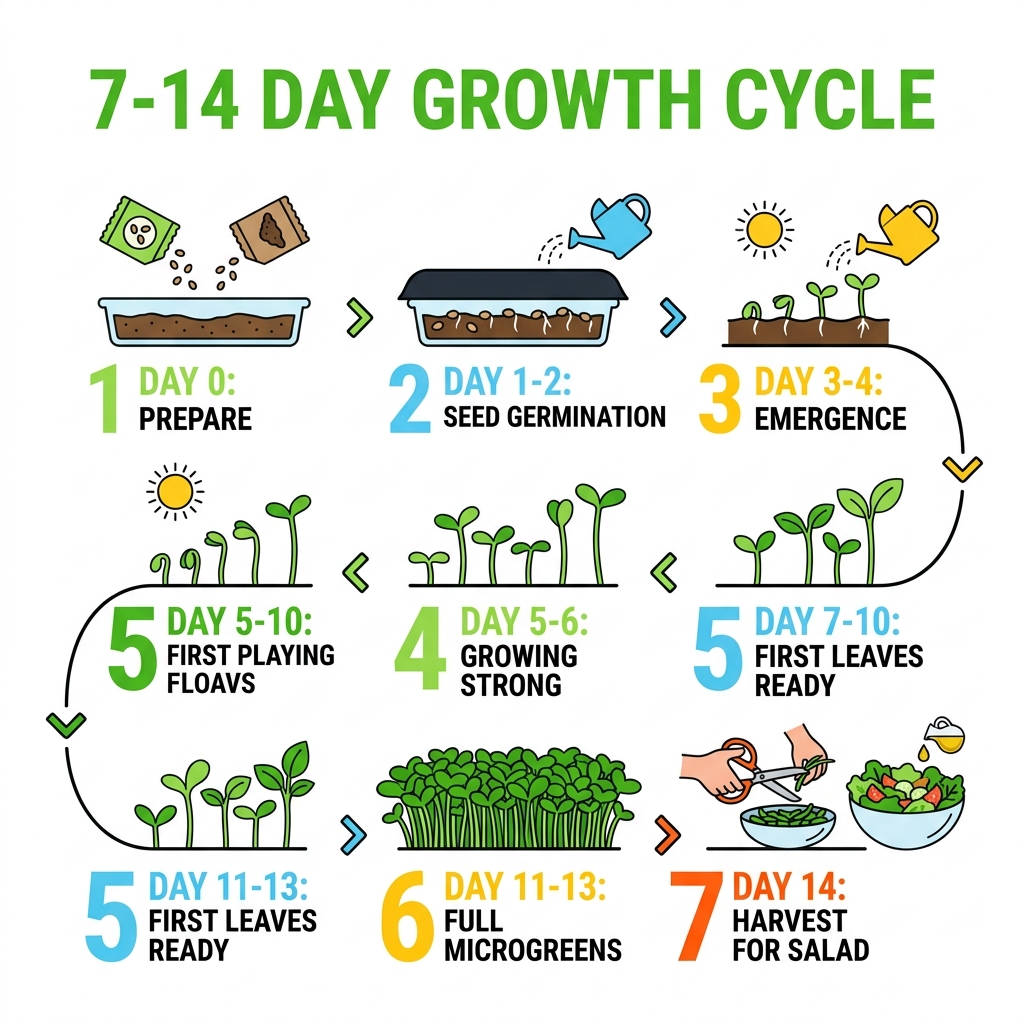
- Grow your own: Almost any shallow container on a sunny windowsill works — no garden needed
Whether you’re picking up a clamshell from the grocery store or snipping fresh greens from your windowsill, microgreens transform an ordinary salad into something nutrient-dense and genuinely delicious.
In this guide, you’ll learn how to select the right varieties, build flavor-forward dressings, and grow your own greens at home — even as a complete beginner.
Why the Micro Green Salad Is a Nutritional Powerhouse
When we talk about a micro green salad, we aren’t just talking about a garnish. We are talking about a functional “superfood” that offers a concentrated form of the nutrition found in bigger vegetables. Research consistently shows that microgreens contain higher levels of phytonutrients—such as antioxidants—than their full-grown counterparts. Think of them as the “concentrated” version of their bigger siblings.
One of the standout benefits is the presence of Vitamin K, which is essential for promoting healthy blood pressure and bone health. Furthermore, these tiny greens are packed with prebiotic fiber. This fiber acts as fuel for the human microbiome, ensuring your gut health stays in top shape. Because they are harvested so young, they house all the vitamins and minerals of an adult plant but in a much smaller, more bioavailable package.
To give you an idea of the “bang for your buck” you get with a micro green salad, consider the following comparison:
| Nutrient | Microgreens (Typical) | Mature Vegetables (Typical) |
|---|---|---|
| Antioxidants | Very High (Concentrated) | Standard |
| Vitamin C | Up to 5x higher | Baseline |
| Vitamin K | High concentration | Standard |
| Flavor Density | Intense / Bold | Mild / Diluted |
| Phytonutrients | Exceptional | Moderate |
By incorporating these into your daily routine, you are essentially taking a natural multivitamin with every forkful.
Selecting Your Base: Popular Varieties and Flavor Profiles
Not all microgreens are created equal. Depending on the seeds used, your micro green salad can range from sweet and nutty to spicy and peppery. At FinanceOrbitX, we believe that choosing the right variety is the first step toward a successful culinary investment.
Here are some of the most popular types you’ll encounter:
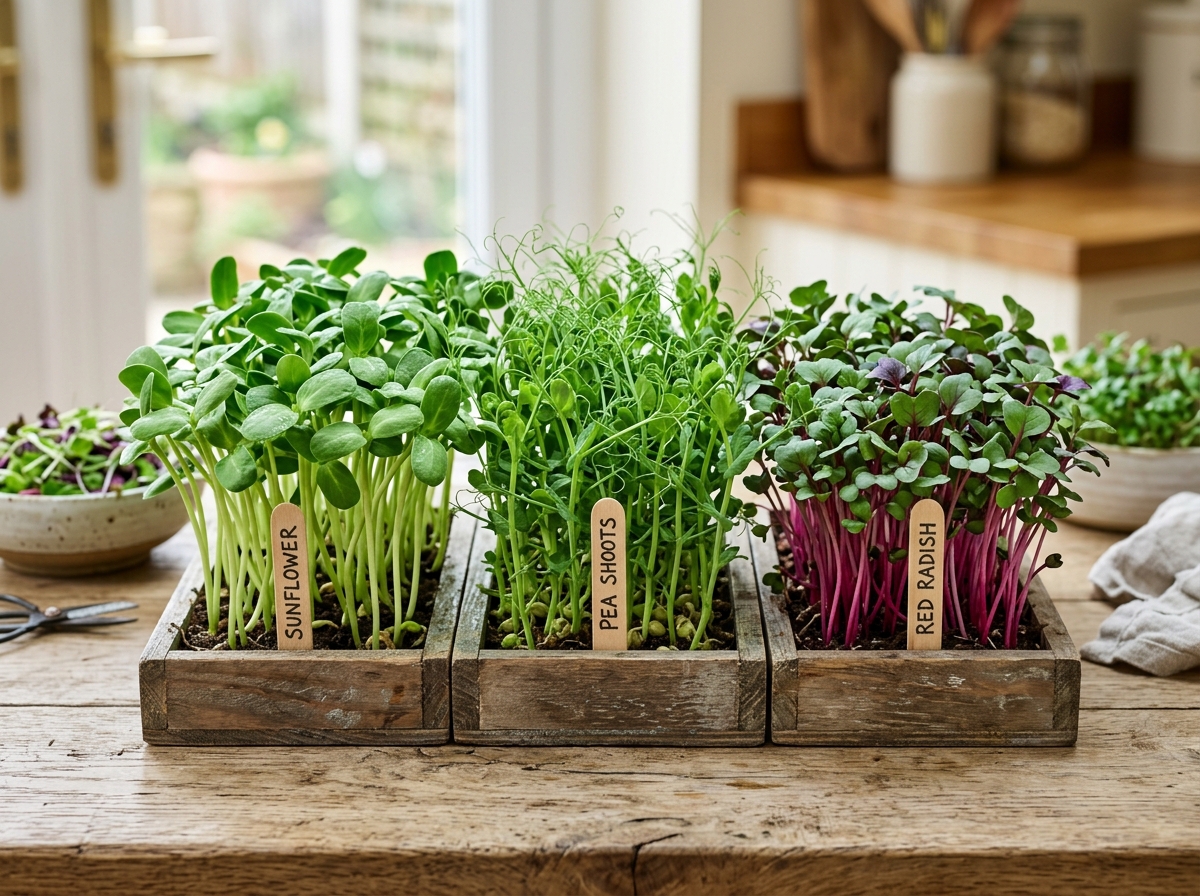
- Pea Shoots: These are lacy, delicate, and mildly sweet. They pair exceptionally well with summer fruits like peaches.
- Sunflower Greens: These offer a satisfying, crunchy texture and a distinct nutty flavor. They are robust enough to stand up to heavier dressings.
- Radish Microgreens: If you like a kick, these are for you. They taste exactly like a spicy radish but in a tiny, leafy form.
- Broccoli Microgreens: Often cited as the most nutrient-dense, these have a mild, earthy flavor that blends easily into any mix.
- Arugula Microgreens: These provide a peppery punch that is more intense than standard baby arugula.
For those looking to diversify their intake, you can find more information about microgreens for smoothies and salads to see how these flavor profiles work in different contexts.
Texture and Taste in a Micro Green Salad
The “mouthfeel” of a micro green salad is quite different from a traditional lettuce-based salad. You move away from the watery crunch of iceberg and toward a “tangle” of lacy textures and delicate crunches. Because the flavors are so intense, you don’t need a massive bowl to feel satisfied.
A great example of palate complexity is a Microgreens and Tomato Salad with Tahini Dressing. The creaminess of the tahini balances the lacy, slightly alkaline nature of pea shoots, while cherry tomatoes provide bursts of acidity. It’s a sophisticated way to enjoy a light meal without feeling “weighed down” by heavy roughage.
Seasonal Pairings for Your Micro Green Salad
To make your micro green salad truly “bold,” we recommend pairing your greens with seasonal produce. This keeps your meals exciting and maximizes the flavor profile of the microgreens.
- Summer: Combine pea shoots with sliced summer peaches, creamy avocado, and a sprinkle of feta cheese. The sweetness of the fruit highlights the tenderness of the greens.
- Autumn/Winter: Use heartier sunflower greens paired with shaved fennel, toasted pecans, and segments of blood orange.
- Year-Round: Heirloom tomatoes and red onions are classic additions that provide color and depth.
Learning how to eat microgreens daily becomes much easier when you view them as a versatile base that adapts to whatever is fresh in your kitchen.
Mastering Bold Vinaigrettes and Dressing Techniques
Because microgreens are fragile, the dressing technique is just as important as the ingredients. You want to achieve a perfect emulsification so the dressing coats the greens without wilting them.
We recommend using high-quality, cold-pressed olive oil as your fat source. For acidity, lime juice or red wine vinegar are excellent choices. A classic “Zesty Lime Vinaigrette” consists of:
- 4 Tbsp olive oil
- 2 Tbsp lime juice
- 1 tsp Dijon mustard (for emulsification)
- 1 tsp maple syrup (to balance the zest)
- A pinch of salt and ground pepper
Whisk these ingredients in a small jar until the mixture becomes slightly cloudy and thick.
Pro Tip: Always dress your micro green salad at the very last moment. Because these greens are so tender, they can lose their “loft” and become soggy if they sit in dressing for too long.
Step-by-Step Preparation and Storage Guide
Preparing a micro green salad starts with the harvest. If you are growing your own, use sharp scissors to snip the greens about an inch above the soil.
- Gentle Harvesting: Snip only what you need. Microgreens are best when ultra-fresh.
- Light Washing: If your greens have a bit of soil, give them a very light rinse in cold water.
- Air Drying: This is a crucial step for a “Delicious Homegrown Microgreens Salad.” Place them in a colander or on a paper towel to air dry completely. Excess water will prevent the dressing from sticking.
- Assembly: Layer your heavier ingredients (like radishes, cucumbers, or nuts) at the bottom and place the microgreens on top.
- Storage: If you need to prep ahead, use the “Mason Jar” method.
When stored undressed in an airtight container with a dry paper towel, harvested microgreens can stay fresh in the refrigerator for up to 24 hours. However, for the best experience, we always recommend “harvest to plate” in under 30 minutes.
Frequently Asked Questions about Microgreen Salads
How do microgreens differ from traditional sprouts?
This is a common point of confusion for beginner gardeners. Sprouts are grown only in water and are eaten “whole,” including the seed and root. Microgreens are soil-grown, allowing them to develop a more complex root system and their first true leaves (cotyledons). This soil-based growth results in a much higher concentration of nutrients and a lower risk of bacterial contamination compared to water-grown sprouts.
Can I grow my own greens for a micro green salad indoors?
Absolutely! In fact, it’s one of the most cost-effective ways to eat healthy. You don’t need a backyard—just a shallow container (like a repurposed mushroom tub), some organic seed-starting soil, and a sunny windowsill. Most varieties are ready for a 10-day harvest. It’s a small “culinary investment” that pays off in fresh, pesticide-free greens year-round.
What proteins pair best with these delicate greens?
A micro green salad is light, so it pairs beautifully with proteins that won’t crush the leaves.
- Seafood: Grilled shrimp or seared salmon.
- Poultry: Thinly sliced roasted chicken.
- Plant-Based: Marinated tofu or a scoop of seasoned garbanzo beans. For more inspiration, check out our microgreens recipes for beginners.
Conclusion
At FinanceOrbitX, we believe that gardening and healthy eating are the best investments you can make for your future. Building a micro green salad is more than just a culinary choice; it’s a step toward sustainable living and clean eating. By blending bold vinaigrettes with these nutrient-dense powerhouses, you transform a simple side dish into a gourmet experience.
Whether you are dicing cucumbers for a “microchop” salad or whisking a shallot vinaigrette for your first homegrown harvest, the journey to better health starts on your windowsill. Start your journey to fresh harvests at FinanceOrbitX and discover how simple it is to grow, prep, and enjoy the world’s most powerful greens.
