
What Are Coco Grow Pads? A Quick Answer for New Growers
Coco grow pads are flat mats made from natural coconut husk fiber, used as a growing medium for microgreens, wheatgrass, and other seedlings — especially in hydroponic setups.
Quick overview:
- What they’re made of: 100% natural coconut coir fiber, sometimes bound with a small amount of natural rubber or tree gum
- What they’re used for: Growing microgreens, wheatgrass, and barleygrass — indoors, in trays, without soil
- Common sizes: 4″x4″, 9″x9″, 10″x20″, and more — made to fit standard growing trays
- Key benefits: Biodegradable, eco-friendly, great water retention, and excellent aeration for roots
- How to use: Soak in water, place in a tray, scatter seeds, mist regularly, and harvest when ready
If you’ve ever wanted to grow nutrient-rich greens at home but felt overwhelmed by soil, mess, or complicated setups — coco grow pads make it much simpler.
They’re one of the most beginner-friendly growing mediums available. No dirt. No guesswork. Just a clean, natural mat that holds moisture, supports roots, and breaks down safely after use.
In this guide, you’ll learn exactly how they work, how to use them, and how to pick the right one for your setup.
What are Coco Grow Pads and Why Use Them?
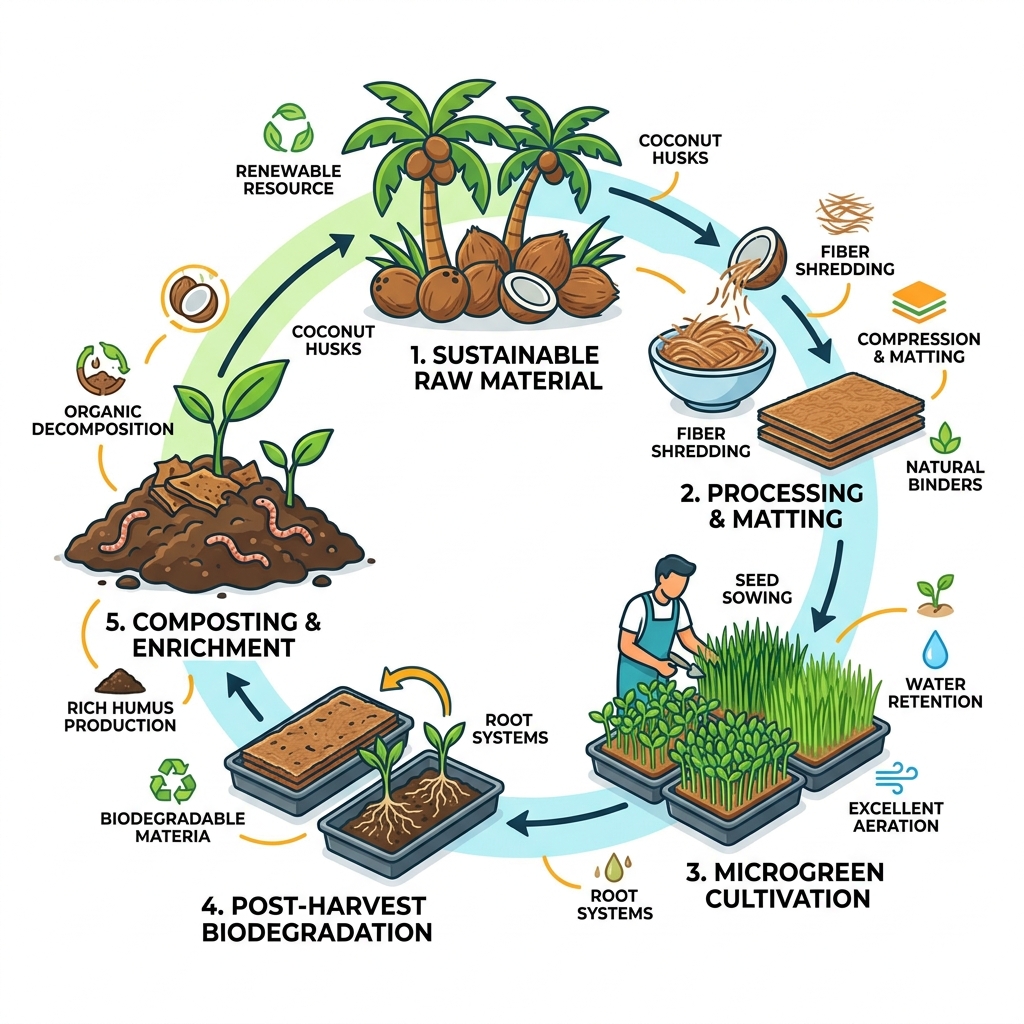
At FinanceOrbitX, we love finding the “smart money” move in the garden, and coco grow pads are exactly that. These pads are essentially compressed, fibrous mats derived from the “mesocarp” or the hairy husk of a coconut. Traditionally, these husks were seen as a byproduct of the coconut industry, but they have become a gold standard for sustainable cultivation.
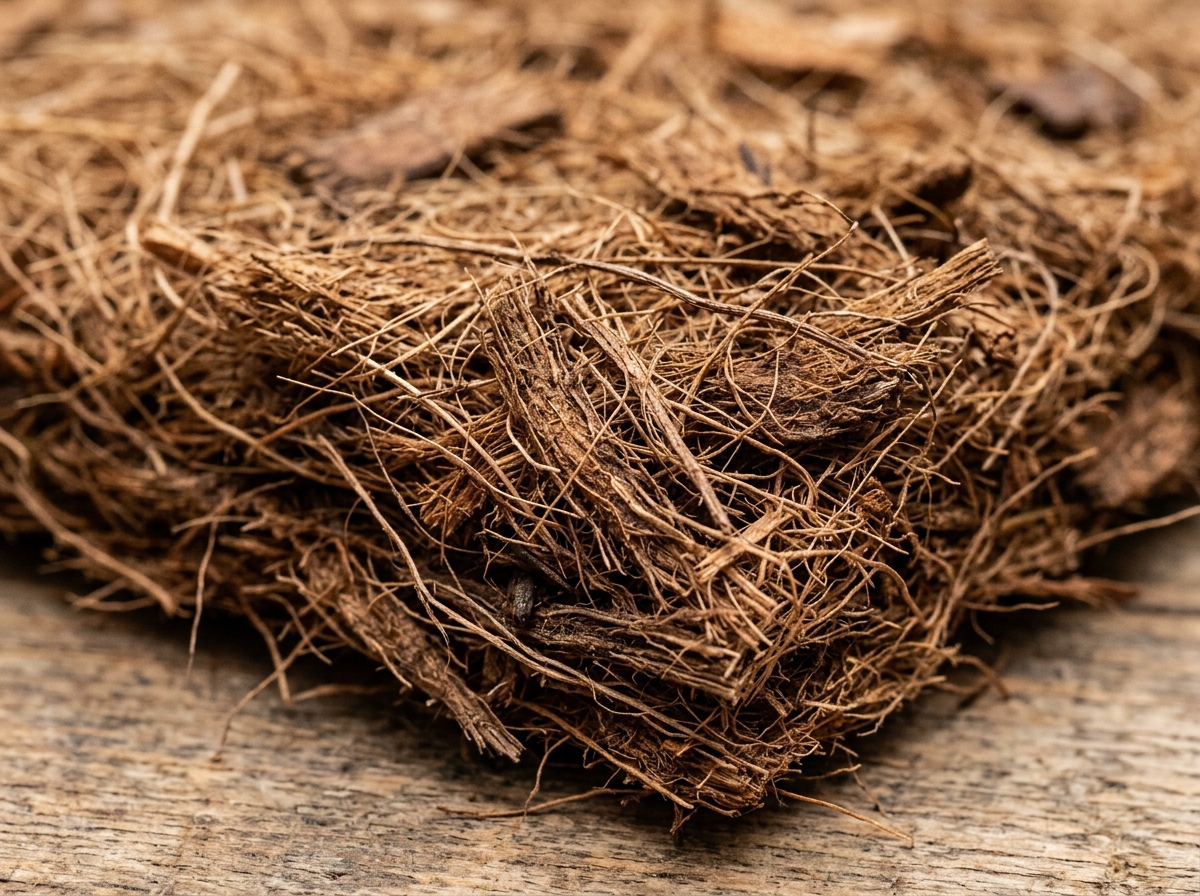
Most coco grow pads are made of 100% natural coconut coir fiber. To keep the fibers from falling apart into a loose mess, manufacturers often use a tiny amount of natural rubber or pure tree gum as a binding agent. This creates a sturdy yet porous mat that acts as a perfect “soil-less” anchor for tiny seeds.
When we look at the Soil and Growing Medium for Microgreens, it’s clear that coir is a top contender. Unlike loose soil, coco Grow Mats provide a uniform surface that ensures every seed has an equal opportunity to sprout.
Why Coco Grow Pads are the Sustainable Choice
We are all looking for ways to reduce our environmental footprint, and switching to Microgreen Grow pads is a fantastic step. Here is why they are so eco-friendly:
- Renewable Resource: Coconuts grow on trees that produce fruit for decades. Unlike peat moss, which is mined from ancient bogs that take centuries to form, coir is a rapidly renewable byproduct.
- Peat-Free: Many traditional potting mixes use peat, which releases significant carbon when harvested. Coco is the perfect peat-free alternative.
- 100% Biodegradable: Once you’ve finished your harvest, you don’t have to throw these in the trash. They are fully compostable and will decompose without leaving harmful residues behind.
Key Characteristics of Coir Fiber
What makes these pads so special for plants? It comes down to the physics of the fiber. Coconut coir is naturally “hydrophilic,” meaning it loves water. It can hold several times its weight in moisture, ensuring your seeds don’t dry out.
However, it also offers high aeration. Because the fibers are loosely intertwined, there is plenty of room for oxygen to reach the roots. This balance of moisture and air is vital for preventing the “drowning” of delicate seedlings. Furthermore, coir is generally pH neutral (typically between 5.5 and 6.5), which is the “sweet spot” for most microgreens. For more on this, check out Your Guide to Soil-Free Microgreens Growing.
Benefits of Using Coco Grow Pads for Cultivation
If you are tired of getting dirt under your fingernails or finding grit in your salad, you are going to love the benefits of Microgreen Pads.
One of the biggest advantages is that coco grow pads are a sterile medium. Unlike garden soil, which can harbor pathogens, weed seeds, or fungi, coir is naturally resistant to pests and diseases. This makes it much easier to avoid the dreaded “damping off” disease that kills young sprouts. When deciding Soil vs. Hydroponics: Which is Best for Microgreens?, the cleanliness of hydroponic pads often wins for indoor growers.
Superior Root Health and Aeration
The structure of CocoNut Grow Pads allows for incredible root penetration. Instead of struggling against compacted dirt, roots can easily weave through the coir fibers. This creates a dense, healthy root mat that can absorb water and nutrients efficiently.
Because the pads are highly porous, they allow for excellent oxygen flow. Roots need to “breathe” just as much as leaves do, and the airy nature of coir prevents the roots from becoming waterlogged.
Ease of Use and Harvesting
From a practical standpoint, coco grow pads are a dream for the “lazy” (or let’s say, efficient) gardener.
- Mess-Free: You can set these up on your kitchen counter without worrying about spilling dirt.
- Uniform Growth: Because the pad is flat and consistent, your microgreens will grow at the same height, making them look professional.
- Clean Cuts: When it’s time to eat, you can cut your greens right above the mat. There’s no soil to wash off, meaning your harvest is ready to eat almost immediately.
For those just starting out, we recommend reading our Microgreens 101: A Beginner’s Guide to see how these pads fit into the bigger picture.
How to Use Coco Grow Pads: A Step-by-Step Guide
Ready to get growing? Using coco grow pads is a straightforward process, but a little preparation goes a long way in ensuring a bumper crop.
Preparing Your Coco Grow Pads for Planting
Before you even think about seeds, you need to hydrate your mat.
- Fit the Tray: Place your pad into your tray. Most coco coir fiber 10×10 hydroponic grow mats are designed to fit standard nursery trays, but you can easily cut them with scissors if they are too large.
- The Soak: Pour water over the mat or soak it in a separate container for a few hours. You want the fibers to be fully saturated.
- Drain: Tip the tray to remove excess water. The mat should be wet and heavy, but not sitting in a pool of standing water. This helps How to Avoid Mold in Your Microgreen Garden by ensuring there is enough air for the roots.
Seeding and Germination Tips
Once your mat is prepped, it’s time to sow.
- Seed Density: Scatter your seeds evenly across the surface of the Coco Coir. Depending on the variety (like broccoli or radish), you want a dense “carpet” of seeds, but not so many that they are piled on top of each other.
- Misting: Give the seeds a light misting with a spray bottle to settle them into the fibers.
- The Blackout Period: Most microgreens need a “blackout” period to germinate. Cover the tray with another tray or a humidity dome and place it in a dark spot for 2-4 days. This encourages the stems to stretch upward. For more details on this method, see Microgreens at Home: Hydroponics Edition.
Maintenance and Harvesting
After the seeds have sprouted and are about an inch tall, remove the cover and move them to a well-lit area (indirect sunlight or grow lights).
- Bottom Watering: Instead of pouring water over the delicate leaves, add water to the bottom of the tray. The coco grow pads will wick the moisture up to the roots.
- Harvesting: Most microgreens are ready in 7-14 days. Simply take a pair of clean kitchen shears and snip the greens about half an inch above the mat.
Choosing the Right Size and Type of Coco Grow Pads
Not all pads are created equal! Depending on your tray size and what you’re growing, you’ll need to choose the right specifications.
Standard Dimensions for Home and Commercial Use
You can find coco grow pads in several standard sizes:
- 10×20 Mats: These are the industry standard for large-scale growing and fit perfectly into “1020” trays.
- 9×9 or 10×10 Inserts: Great for smaller home kits or Choosing the Best Containers for Your Microgreens.
- 4×4 Pads: Ideal for small “snack-sized” batches or testing new seed varieties.
Thickness also matters. Most pads range from 0.25 inches to 1 inch thick. Thicker pads are better for crops with longer growing cycles or larger root systems, while thin pads are perfect for quick-growing microgreens. If you’re looking for the best hardware to match your pads, check out our list of Top Hydroponic Trays for Microgreens.
Non-Woven vs. Latex-Bound Mats
When shopping for a Coco Coir Fiber Grow Mat for Microgreens, you might see different “builds.”
- Non-Woven: These are pure fiber mats that rely on the natural interlocking of the coir. They offer the best aeration and are usually the most “pure” option.
- Latex-Bound: These use a small amount of natural rubber (sap from the rubber tree) to keep the mat from fraying. They are more durable and easier to handle but check to ensure the latex is natural and food-safe.
Frequently Asked Questions about Coco Mats
Can coco grow pads be reused?
Generally, no. For microgreens, the roots become so intertwined with the fibers that it is nearly impossible to separate them without damaging the mat. Since coco grow pads are inexpensive and biodegradable, it is best to toss the used mat into your compost pile and start fresh with a new one for each cycle.
Do I need to add nutrients to the water?
For very short-cycle microgreens (harvested within 7-10 days), the seed itself contains enough energy to grow. However, for longer-growing crops like wheatgrass or pea shoots, adding a diluted hydroponic fertilizer to your water will result in much healthier, more vibrant greens.
How do I prevent mold on coco fiber?
Mold is the enemy of the indoor gardener! To prevent it, ensure you have good airflow (a small fan helps) and avoid overwatering. The mat should be damp, not swimming. If you see “fuzzy” white roots, don’t panic—those are often root hairs, not mold!
Conclusion
At FinanceOrbitX, we believe that gardening should be accessible, sustainable, and—most importantly—fun. Coco grow pads tick all those boxes. They take the mess out of seed starting, provide a professional-grade environment for your plants, and help you grow nutrient-dense food right on your windowsill.
Whether you are a seasoned urban farmer or a total beginner, making the switch to coir is a smart investment in your health and the planet. Ready to stock up? Head over to our Supplies section to find everything you need to get your indoor garden growing!
