
From Seed to Harvest: What Is the Microgreens Tray Propagation Method?
The microgreens tray propagation method is the most reliable way to grow microgreens at home — and it works even if you’ve never grown anything before.
Here’s the quick version of how it works:
- Fill a shallow tray (1–2 inches deep) with a seed-starting mix or coconut coir
- Sow seeds densely across the surface in a single, even layer
- Cover the tray and keep it in a warm, dark spot for 2–4 days to germinate
- Uncover and move to light — 12–16 hours per day — once sprouts reach about 1 inch tall
- Water from the bottom to keep moisture steady and prevent mold
- Harvest in 7–14 days by snipping stems just above the soil line
Most varieties go from dry seed to ready-to-eat greens in under two weeks. Radish and broccoli are among the fastest, germinating in just 1–2 days and reaching harvest size in 5–12 days.
Growing microgreens in trays is popular for good reason. You don’t need a garden, a lot of space, or any prior experience. A windowsill, a bag of potting mix, and a pack of seeds are enough to get started.
But small mistakes — like overwatering, poor light, or skipping the blackout phase — can ruin a whole tray. That’s what this guide is here to fix.
Mastering the Microgreens Tray Propagation Method
To grow like a professional, we need to move beyond simple pots and embrace the tray system. At FinanceOrbitX, we advocate for the microgreens tray propagation method because it maximizes surface area while minimizing soil waste. Unlike traditional gardening where plants need deep root space, microgreens are harvested at the cotyledon stage—the point where the first “false leaves” appear and the plant is packed with peak nutrition.
Research shows that microgreens can contain 4 to 40 times more vitamins and antioxidants than their mature counterparts. To capture this nutritional wealth, we use shallow trays, typically 10×20 inches (known in the industry as 1020 trays) or smaller 5×5 inserts. These trays should be roughly 1.5 to 2 inches deep. Any deeper, and you’re just wasting growing medium; any shallower, and the roots won’t have enough grip to support the stems.
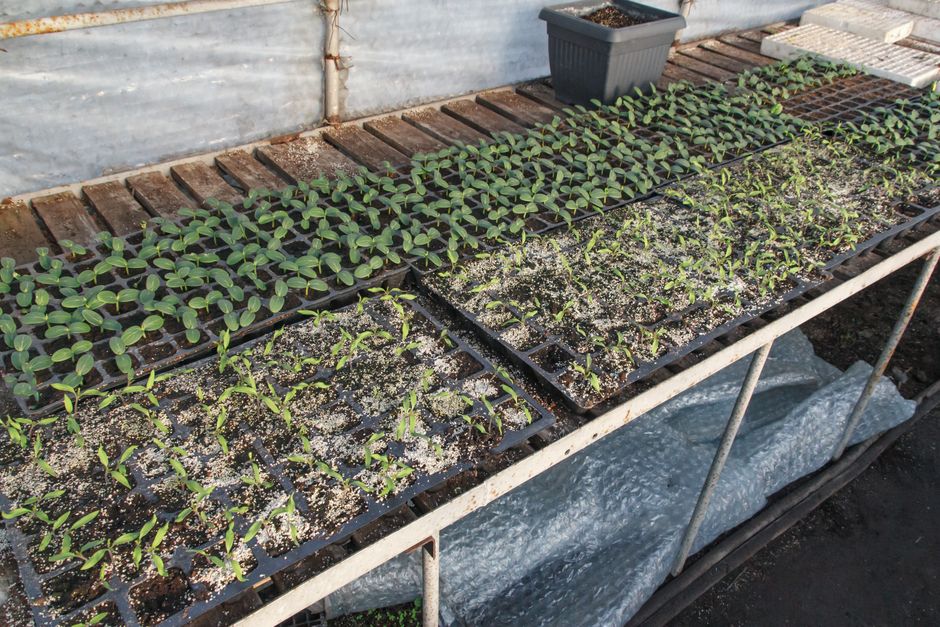
One of the most critical aspects of tray setup is drainage. We always recommend using a “two-tray system.” The top tray, which holds your growing medium, must have drainage holes. This tray sits inside a second, solid bottom tray without holes. This setup is the secret to bottom-watering, a technique that keeps the greens dry and the roots hydrated, drastically reducing the risk of mold. If you’re looking for the right equipment, check out our comprehensive tray reviews for indoor microgreens.
Essential Supplies for the Microgreens Tray Propagation Method
Before we get our hands dirty, let’s look at the “portfolio” of supplies needed for a successful grow. Think of these as your capital investments:
- Trays: As mentioned, a 1020 tray with holes and a matching solid reservoir tray.
- Growing Medium: High-quality organic seedling mix, coconut coir, or specialized hydroponic trays and mats for microgreens. Avoid unsterilized garden soil, which can introduce pests and pathogens into your home.
- Seeds: Use seeds specifically labeled for microgreens. These are usually untreated and sold in larger quantities to accommodate dense sowing.
- Spray Bottle: For misting during the initial germination phase.
- Light Source: A sunny south-facing window can work, but for consistent results, we recommend LED grow lights.
- Hydrogen Peroxide (3%): A secret weapon for preventing mold. A small amount diluted in water can keep your trays pristine.
Step-by-Step Seeding for the Microgreens Tray Propagation Method
Now, let’s execute the trade. Planting microgreens isn’t like planting a vegetable garden; it’s more like “broadcasting.” We want a dense carpet of greens, not individual plants spaced inches apart.
- Prepare the Medium: Fill your drainage tray with about 1.5 inches of moist seedling mix. Use a flat object to gently tamp the soil down so it’s level. You want a smooth “trading floor” for your seeds.
- Hydrate: Add about 2 cups of water to the bottom reservoir tray and let the soil wick it up for 30 minutes. Discard any excess.
- Sow the Seeds: Sprinkle your seeds evenly across the surface. For a standard 1020 tray, you’ll typically use 1–1.5 ounces of small seeds (like broccoli or arugula) or 3–4 ounces of large seeds (like pea or sunflower). If you’re using specialized seed sprouting trays, adjust the density so the seeds are close but not piled on top of each other.
- Final Mist: Give the surface a light misting with your spray bottle to ensure the seeds have immediate contact with moisture.
Germination and the Critical Blackout Phase
In the microgreens tray propagation method, the first few days are spent in total darkness. This is known as the “blackout phase.” While it might seem counterintuitive to hide plants from the sun, this phase is vital for two reasons: stem elongation and root anchoring.
When seeds germinate in the dark, they “stretch” upward in search of light. This creates longer, cleaner stems that are much easier to harvest. Additionally, we often place a second tray directly on top of the seeds with a weight (2–5 lbs) on it. This weight mimics the pressure of being buried deep in the soil, forcing the roots to grow downward aggressively while the stems push back up, resulting in a stronger, more robust crop.
Optimal Germination Conditions
To ensure a high “return on investment” for your seeds, you must control the environment. Most microgreens prefer a temperature between 72°F and 75°F for germination. If your home is cooler, the process will simply take a few extra days.
Moisture management is the most delicate part of this stage. You want the environment to be like a wrung-out sponge—damp but never muddy. During the 2–4 days of blackout, check your trays once a day. If the surface looks dry, give it a quick mist. If you see fuzzy white growth that looks like cobwebs, it might be mold. A quick spritz of diluted hydrogen peroxide (1 tsp per cup of water) can often stop mold in its tracks. For those looking to avoid plastic, there are beginner-friendly alternative trays that manage moisture exceptionally well.
Post-Germination Care: Light, Water, and Airflow
Once your sprouts are about an inch tall and have shed most of their seed hulls, it’s time for their “IPO”—Initial Photosynthetic Offering. Remove the cover and expose them to light.
Variety-Specific Growth Timelines
| Variety | Germination Time | Harvest Time | Height at Harvest |
|---|---|---|---|
| Radish | 1-2 Days | 5-7 Days | 2-4 Inches |
| Broccoli | 2-3 Days | 8-12 Days | 2-3 Inches |
| Sunflower | 2-3 Days | 8-12 Days | 3-4 Inches |
| Pea Shoots | 2-3 Days | 10-14 Days | 4-6 Inches |
| Arugula | 3 Days | 7-12 Days | 2 Inches |
After the blackout, your microgreens will likely look pale yellow. Don’t panic! This is normal. Once they hit the light, they will turn a vibrant green within hours as chlorophyll begins to work. For the best growth, we recommend 12–16 hours of light per day. If you are using hydroponic setups, the light requirements remain the same, but you’ll need to be even more diligent about nutrient levels in the water.
Managing Light and Moisture
Position your grow lights 3–6 inches above the canopy. If the lights are too far away, the plants will become “leggy”—thin, weak, and prone to falling over. If you’re growing on a windowsill, rotate the tray 180 degrees every day so the plants don’t lean too far in one direction.
Watering now shifts entirely to the bottom tray. Pour water into the reservoir tray and let the roots drink from below. This keeps the delicate leaves and stems dry, which is the single best way to prevent fungal diseases. Ensure there is good air circulation; a small, gentle fan blowing near the trays can work wonders for preventing stagnant, humid air that mold loves. If you’re scaling up your setup, you might want to look into advanced tray systems for hydroponics.
Harvesting and Troubleshooting Common Issues
The “dividend” of your hard work is the harvest. Most microgreens are ready when they are 2–4 inches tall and have their first set of cotyledon leaves fully expanded.
- How to Harvest: Use clean, sharp kitchen shears or a knife. Grasp a small clump of greens and snip about 1/4 to 1/2 inch above the soil line. Avoid pulling them out by the roots, as this will bring up dirt and debris.
- Storage: Microgreens are best eaten fresh, but they can be stored in the fridge for up to a week. The secret is to keep them dry. Do not wash them until right before you eat them; washing before storage can reduce their shelf life by 25%. Store them in a container with a paper towel to absorb any excess moisture.
Troubleshooting Pro-Tips:
- Mold vs. Root Hairs: Beginners often mistake root hairs for mold. Root hairs are tiny, white, fuzzy structures that grow directly out of the root and disappear when misted. Mold looks like a grey or white spiderweb and stays visible even when wet.
- Leggy Growth: If your plants are tall, thin, and falling over, they need more light. Move your light source closer or increase the duration.
- Poor Germination: This is usually caused by old seeds or inconsistent moisture. Ensure your “start-up capital” (seeds) is fresh and from a reputable source.
Frequently Asked Questions about Microgreens
Can microgreens be regrown after the first harvest?
Generally, no. Most microgreens are a “one-and-done” crop. Because they are harvested so young, they have used up almost all the energy stored in the seed. While some varieties like peas might produce a weak second growth, the flavor and texture are rarely worth the effort. It’s better to compost the used medium and start a fresh batch.
How do I distinguish between root hairs and mold?
As mentioned, root hairs are a sign of a healthy, thirsty plant. They are microscopic and grow in a very organized fashion around the root. Mold is chaotic, spreads across the soil surface, and often has a musty smell. If it’s mold, treat it with a 3% hydrogen peroxide solution; if it’s root hairs, just give them a drink!
What are the best microgreen varieties for beginners?
Radish and broccoli are the “blue-chip stocks” of the microgreen world. They are incredibly reliable, grow very fast, and are resistant to many common mistakes. Once you’ve mastered these, you can diversify into sunflowers, peas, or spicy mustard greens.
Conclusion
At FinanceOrbitX, we believe that growing your own food is one of the best investments you can make for your health and your wallet. The microgreens tray propagation method offers a high yield for a very low entry cost, making it the perfect entry point for the aspiring indoor gardener.
By following these steps—from the initial seed broadcast to the critical blackout phase and the final harvest—you can ensure a continuous supply of fresh, nutrient-dense greens right from your kitchen counter. Whether you’re adding a spicy radish kick to your salad or a crunch of sunflower to your sandwich, you’re now equipped to grow like a pro.
Ready to take the next step in your horticultural journey? Start your indoor garden journey today and discover how simple it is to turn a small tray into a nutritional powerhouse. Happy growing!
