
Why Knowing How Long Microgreens Last in the Fridge Can Save Your Harvest
How long do microgreens last in the fridge depends on the variety and how you store them — but here’s a quick answer:
| Microgreen Type | Fridge Shelf Life |
|---|---|
| Hardy varieties (pea shoots, sunflower) | 10-21 days |
| Common varieties (broccoli, kale, cabbage) | 7-14 days |
| Medium varieties (radish, beet) | 5-10 days |
| Delicate varieties (arugula, basil, mustard) | 3-6 days |
The short version: most microgreens stay fresh for 7 to 14 days in the fridge when stored correctly. Make common mistakes, and that window shrinks to just 2-3 days.
You grew them from seed. You waited patiently. The last thing you want is to open your fridge and find a soggy, yellow mess.
The good news? Keeping microgreens fresh is simple once you understand why they spoil. As soon as microgreens are cut, they begin a natural process called senescence — basically, aging. Their respiration rate spikes, they start breaking down, and moisture becomes your biggest enemy.
The variety you grow matters. So does temperature, airflow, and even when you wash them.
This guide walks you through everything — from what affects shelf life to the exact storage steps that keep your greens crisp and nutrient-packed for as long as possible.
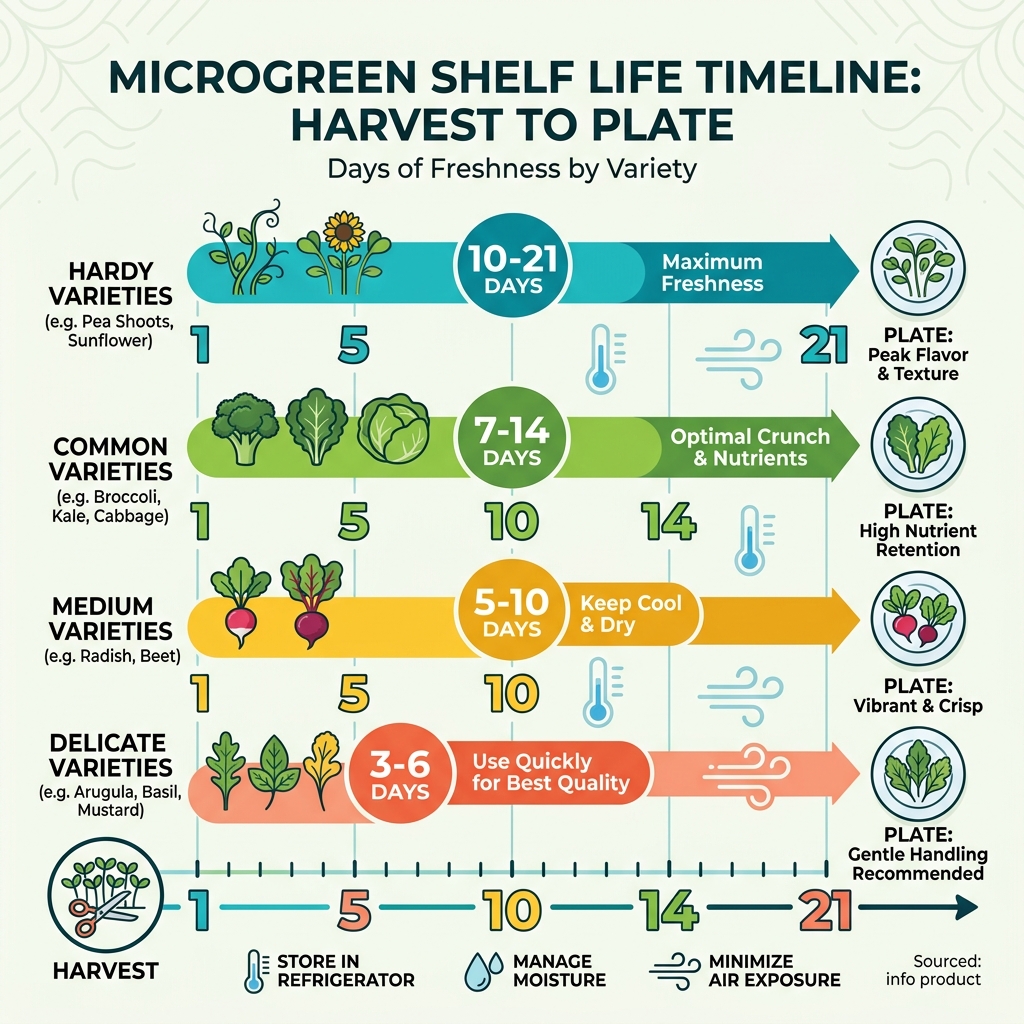
How Long Do Microgreens Last in the Fridge?
When we talk about the “shelf life” of these tiny powerhouses, we aren’t just talking about when they become unsafe to eat. We are talking about the “Golden Window” of peak flavor and nutrition. Research shows that microgreens can contain 10 to 40 times more antioxidants, vitamins, and minerals than their mature counterparts. However, these nutrients begin to degrade the moment the stem is cut.
So, how long do microgreens last in the fridge on average? Generally, you can expect a range of 5 to 14 days. But within that range, there is a lot of nuance based on the “sturdiness” of the plant.
Think of it like a financial portfolio: some assets are “low-risk” and stay stable for a long time, while others are “high-volatility” and need to be managed quickly.
- Hardy Varieties (The Blue Chips): Pea shoots and sunflower shoots are the heavy hitters of the microgreen world. Because they have thick, fibrous stems, they can comfortably last 2 to 3 weeks in the fridge if kept dry.
- Common Varieties (The Steady Performers): Broccoli, kale, and cabbage are very forgiving. When stored at the optimal temperature of 4°C (39°F), these can often push past the 14-day mark, sometimes even reaching 21 days.
- Delicate Varieties (The Day Traders): Arugula, amaranth, and basil are the divas of the garden. They are highly sensitive to temperature fluctuations and moisture. If you don’t eat them within 3 to 6 days, they may start to wilt or lose their vibrant color.
To ensure you are starting with the best possible “asset,” you need to master the harvest. Using proper-techniques-for-harvesting-microgreens is the first step in extending their life. A clean, sharp cut prevents bruising, which slows down the rate of respiration and spoilage.
How long do microgreens last in the fridge if they are rooted?
If you want the absolute maximum return on your gardening investment, consider “live” storage. This is where you keep the microgreens attached to their growing medium (like hemp mats or soil) inside the fridge.
When microgreens are rooted, they aren’t technically “dying” yet; they are just in a state of suspended animation due to the cold. Hydroponic live trays can easily last 10 to 14 days in the fridge. Because the root system is intact, the plant doesn’t experience the immediate stress of harvest-induced respiration.
To keep these live trays happy:
- Hydrate the roots, not the leaves: Use a small amount of water at the base of the tray.
- Mist lightly: If the environment is very dry, a very light misting can help, but avoid soaking the greens.
- Stand them upright: Ensure they have enough vertical space so the delicate tops aren’t crushed.
Research suggests that rooted microgreens are superior for nutrient retention because the plant remains “alive” until the very second you snip it for your salad.
How long do microgreens last in the fridge after being washed?
Here is a rule we live by at FinanceOrbitX: Never wash your microgreens until the moment you are ready to eat them.
If you wash them and then put them back in the fridge, you are essentially putting them on the fast track to putrefaction. External moisture is the “arch-enemy” of freshness. Even if you use a salad spinner, it is nearly impossible to get every microscopic drop of water off those tiny, fragile leaves.
When you store wet microgreens:
- Shelf life drops to 1-2 days.
- Bacterial growth accelerates in the damp, dark environment.
- The leaves become slimy and develop a sour, “off” smell.
If you are looking for ways to incorporate these greens into your diet without the hassle of daily prep, check out how-to-eat-microgreens-daily for tips on quick, fresh integration. Just remember: keep them dry until the plate is ready!
Critical Factors Influencing Microgreen Longevity
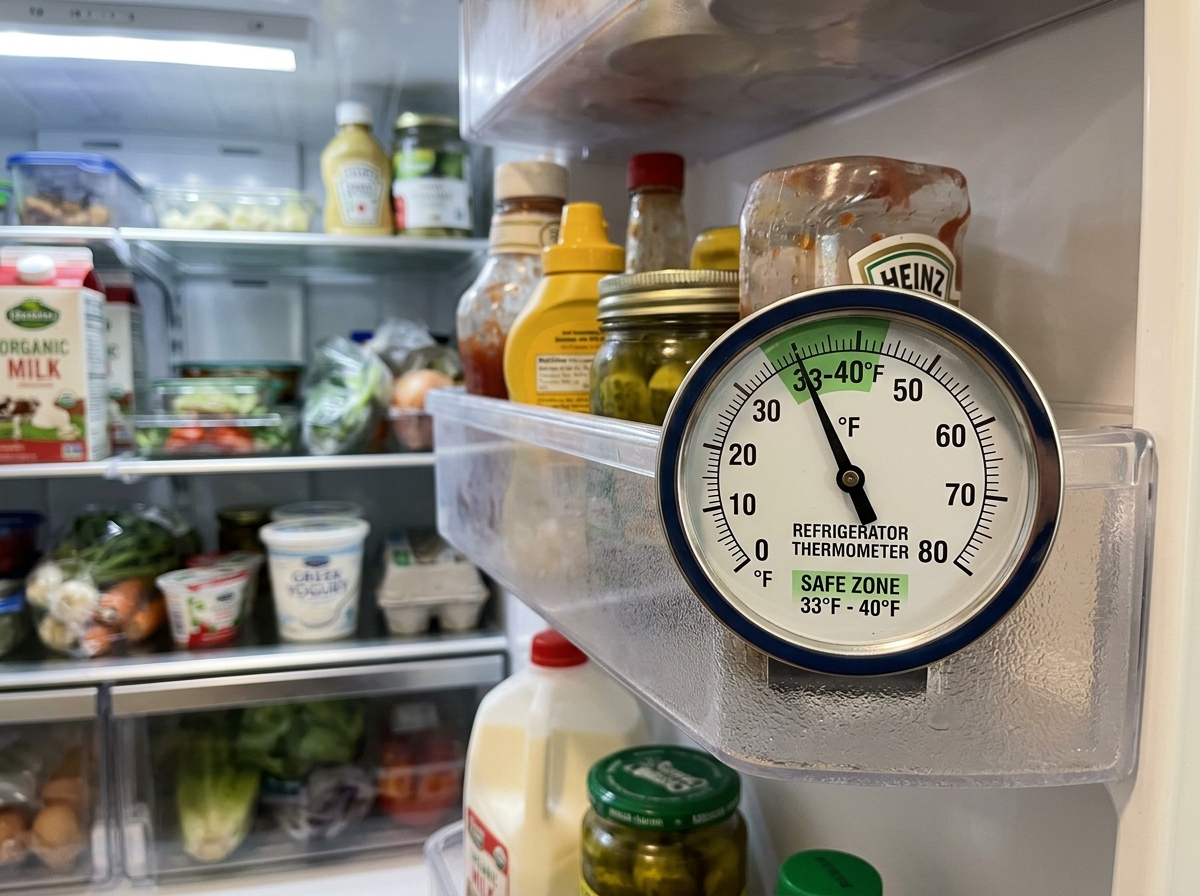
Maximizing the “ROI” of your harvest requires controlling the environment. Just like a high-yield savings account needs the right conditions to grow, microgreens need specific fridge conditions to stay crisp.
1. The Temperature Sweet Spot
The ideal temperature for storing microgreens is between 33°F and 40°F (0.5°C to 4.4°C). Research indicates that every 18°F drop in temperature can roughly double the shelf life of fresh produce. If your fridge is too warm (above 41°F), the plants will respire faster, consuming their own sugars and wilting within days. Conversely, if the temperature drops below freezing, the water inside the plant cells will expand and burst the cell walls, leaving you with a pile of mush.
2. The Ethylene Gas Problem
Did you know your fruit bowl could be sabotaging your greens? Certain fruits—like apples, bananas, and avocados—emit ethylene gas as they ripen. This gas is a ripening hormone that causes leafy greens to yellow, soften, and spoil prematurely. Always store your microgreens away from these ethylene producers. Using a sealed (but breathable) container can help shield them from these gases.
3. Respiration and “Senescence”
The moment you harvest, the plant enters a state of senescence (aging). It continues to “breathe” (respiration), taking in oxygen and releasing carbon dioxide and heat. If you pack them too tightly, the heat and CO2 build up, causing the cell walls to break down. This is why airflow is a balancing act; they need enough air to “breathe” but not so much that they dry out.
Knowing the science of the plant helps you time your harvest perfectly. By knowing-exactly-when-your-microgreens-are-ready, you ensure they are at their peak structural integrity before they ever hit the cold air of the fridge.
The Ultimate Storage Method for Maximum Freshness
Through our research and testing, we have found one method that beats all others for extending the life of cut microgreens. We call it the “Paper Towel Sandwich.”
Step-by-Step: The Paper Towel Layering Technique
- Start with a clean, dry container: Plastic is actually often better than glass here because it provides better insulation against the rapid temperature shifts of the fridge door opening and closing.
- The Bottom Layer: Place a dry paper towel at the bottom of the container. This acts as a “buffer,” absorbing any excess moisture that settles.
- The Greens: Gently place your unwashed microgreens on top. Do not pack them down! They need room for air to circulate. Think of it like a “loose” investment—don’t tie up all your capital in one spot.
- The Top Layer: Place another dry paper towel over the greens.
- The Seal: Close the lid. If the container is completely airtight, you might want to open it every 2 days to let in fresh oxygen. Some experts recommend using a container that is about 1.5 times the volume of the greens to allow for a proper “air cushion.”
Glass vs. Plastic?
While glass is great for sustainability, it can lead to more condensation buildup. If you use glass, you must be extra vigilant about changing the paper towels if they become damp. Industry experts note that shallow plastic containers (like the clamshells used in grocery stores) are often the most effective at managing the delicate balance of humidity and protection.
To get the most out of your harvest, you should master-the-art-of-the-microgreen-harvest-today by ensuring your greens are as dry as possible before they ever enter the container. If you must wash them before storage (though we advise against it), use a salad spinner and then air-dry them under a fan for 10 minutes before packing.
Signs of Spoilage and How to Revive Wilted Greens
Even with the best “risk management” strategy, microgreens will eventually reach their expiration date. It is important to know the signs of spoilage to avoid foodborne illness.
Signs your microgreens have gone bad:
- Slimy Texture: This is the most common sign. If the stems feel slippery or “gooey,” bacteria have begun breaking down the tissue.
- Pungent Aroma: Fresh microgreens should smell like… well, greens. If you detect a sour, musty, or “rotting trash” smell, toss them immediately.
- Yellowing or Dark Stains: This indicates the chlorophyll is breaking down or mold is starting to take hold.
The “Ice Bath Trick” for Wilted Greens
If your microgreens are just looking a bit “sad” and wilted but aren’t slimy or smelly, they might just be dehydrated. You can often revive them using an ice bath:
- Fill a bowl with cold water and a few ice cubes.
- Submerge the wilted microgreens for 5 to 10 minutes.
- The cold water re-pressurizes the plant’s vacuoles (the “water balloons” inside the cells), making them crisp again.
- Spin them dry in a salad spinner and eat them immediately.
For inspiration on how to use your freshly revived greens, explore some microgreens-recipes-for-beginners or find more ways to how-to-eat-microgreens-daily-2.
Frequently Asked Questions About Microgreen Storage
Can you freeze microgreens to extend their life?
We get this question a lot. The short answer: Yes, but you won’t want to put them in a salad. Freezing destroys the delicate cell walls of microgreens. When they thaw, they will be a pile of mush. However, if you have a massive harvest you can’t finish, you can freeze them to use in smoothies, soups, or sauces.
- Pro Tip: Blanch them for 15 seconds, shock them in ice water, dry them thoroughly, and freeze them flat on a baking sheet before moving them to a freezer bag. This helps retain the color and nutrients for up to 3 months. For more on using greens in liquids, see how-to-eat-microgreens-daily-3.
Does the harvesting tool affect how long microgreens last?
Absolutely. Using blunt scissors or a dull knife “crushes” the stem rather than slicing it. This creates more surface area for oxidation and invites spoilage microbes to the “wound.” Always use a very sharp blade or specialized microgreen shears to ensure a clean cut that heals quickly.
Where is the best spot in the fridge for microgreens?
Avoid the fridge door! The temperature there fluctuates every time you grab the milk. The crisper drawer (set to high humidity for vegetables) or the middle shelf toward the back are the most stable environments. Just be careful not to push them all the way to the back wall of an older fridge, as they might freeze.
Conclusion
At FinanceOrbitX, we believe that gardening is one of the best investments you can make for your health and your wallet. Understanding how long do microgreens last in the fridge is the key to ensuring that investment doesn’t go to waste.
By managing moisture, controlling the temperature, and using the “paper towel sandwich” method, you can keep your greens fresh, crunchy, and nutrient-dense for up to two weeks. Don’t let your hard work turn into compost—treat your harvest like the valuable asset it is!
Ready to grow your next batch? Master indoor gardening with our expert guides and keep your kitchen “portfolio” green all year round.
